

Sleep regression can feel like a cruel joke played by the universe on tired parents. Just when they think they’ve cracked the code to peaceful nights, their little one suddenly decides that sleep is overrated. It’s like a toddler’s version of a midnight party, complete with tears and demands for snacks. But fear not, because there’s hope on the horizon!
Sleep Regression Tips
Sleep regression refers to a temporary setback in a child’s sleep patterns, often occurring at specific developmental milestones. Parents frequently observe changes in sleep habits around 4 months, 8 months, and 18 months of age. Each instance may manifest as increased night waking, fussiness at bedtime, or shortened naps.
The 4-month sleep regression occurs as infants transition from newborn sleep cycles to adult-like patterns. This shift often disrupts established routines, introducing challenges for caregivers. At 8 months, developmental advances such as crawling can cause restlessness, leading to difficulty settling down at night.
Another critical phase happens around 18 months. During this time, toddlers may resist sleep as they explore newfound independence. Increased awareness of their surroundings could lead to heightened anxiety at bedtime.
Factors contributing to sleep regression include illness, teething, or changes in the family routine. While frustrating, recognizing these triggers is essential for parents seeking solutions. Sleep regression doesn’t last forever and usually resolves within a few weeks.
During these periods, maintaining consistency is crucial. Establishing a calming bedtime routine helps signal to the child that it’s time to sleep. Techniques such as reading a short story or playing soft music can encourage relaxation before bed.
Be patient and allow for adjustments in response to your child’s needs. Monitoring changes will provide insights into sleep patterns, enhancing strategies for easing regression. Utilizing these tips can help navigate through sleep regression, leading parents back to peaceful nights.
Common Signs of Sleep Regression
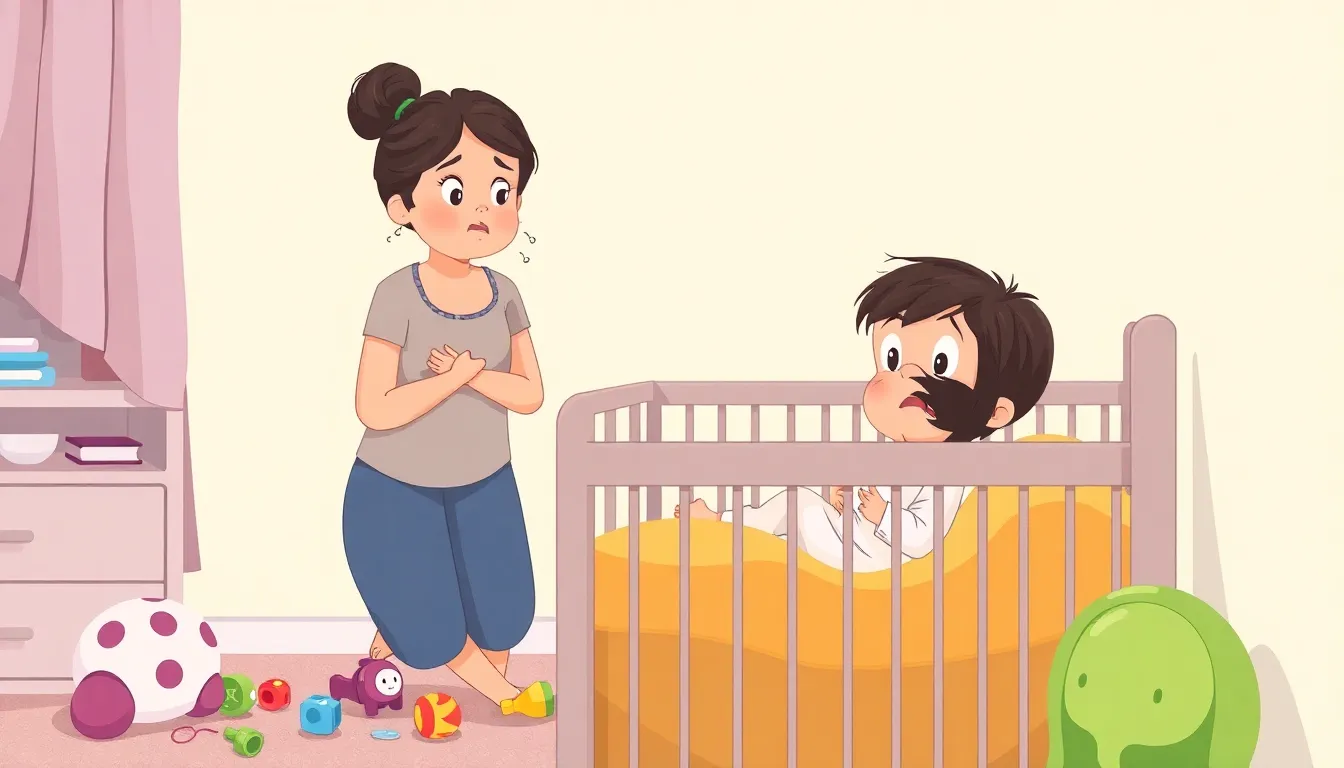
Parents typically observe several signs when their child is experiencing sleep regression. Key indicators often relate to age and behavior.
Age-Related Sleep Changes
At specific ages, children undergo notable sleep changes. Infants around 4 months often face a significant shift as they develop adult-like sleep cycles. This transition leads to more frequent awakenings during the night. By 8 months, many infants begin to crawl, stimulating greater developmental awareness and altering their sleep patterns. During these phases, infants exhibit more fussiness and may resist bedtime due to newfound mobility. Lastly, around 18 months, toddlers often seek independence, which can manifest in bedtime resistance and more night waking. Each developmental milestone triggers a distinct sleep pattern alteration.
Behavioral Indicators
Behavioral cues also signal sleep regression. Increased fussiness in children during bedtime often points to sleep disturbances. Parents may notice their child suddenly rejecting naps that they previously enjoyed. Frequent crying or restlessness at night may also emerge as strong indicators of regression. Some children may engage in delayed tactics such as asking for additional stories or drinks. Observing these behaviors helps parents identify when regression occurs, enabling them to implement appropriate strategies.
Tips for Managing Sleep Regression
Managing sleep regression requires strategic adjustments and a proactive approach. Below are effective tips to assist parents during this challenging phase.
Establish a Consistent Bedtime Routine
A consistent bedtime routine promotes relaxation and signals bedtime. Engage in calming activities, such as reading or taking a warm bath. Start the routine at the same time each night to reinforce the schedule. Gradually transition from playtime to quieter activities, allowing the child to wind down. Keep the routine short and predictable, as excessive length can lead to resistance. Familiarity breeds comfort, making it easier for children to embrace sleep.
Create a Sleep-Friendly Environment
Creating a sleep-friendly environment enhances sleep quality. Darken the room using blackout curtains to eliminate external light. Maintain a comfortable temperature, ideally between 68°F and 72°F. Use white noise machines to drown out disruptive sounds, promoting deeper sleep. Comfort items, like a favorite blanket or stuffed animal, can provide reassurance. Ensure the crib or bed is clutter-free, as a tidy area contributes to less distraction and promotes serenity.
Be Attentive to Your Child’s Needs
Being attentive to a child’s needs fosters a sense of security. Observe behaviors that indicate discomfort, such as fussiness or changes in appetite. Respond quickly to their cues to minimize distress and build trust. Offer comfort through gentle touches or soothing words. Recognize that children are often more sensitive during this phase. Adjust expectations and remain patient to allow them to process developmental changes appropriately.
When to Seek Professional Help
Sleep regression can cause significant distress for both children and parents. If a child experiences prolonged sleep disturbances lasting more than four weeks, it’s crucial to consult a pediatrician. Signs indicating the need for professional help include excessive crying, extreme difficulty falling asleep, or continuous night awakenings that disrupt the entire household.
Parents should also seek guidance if behavioral changes accompany sleep issues. For instance, if a child shows heightened irritability, difficulty concentrating, or changes in appetite, these factors may signal underlying problems. Pediatricians can provide insights or referrals to specialists who assess development or behavioral sleep patterns.
Parents can benefit from monitoring sleep habits consistently. If parents track sleep duration and patterns yet notice little improvement after adjusting routines, professional advice may be necessary. Pediatricians can explore other potential sleep disorders or behavioral issues contributing to prolonged sleep challenges.
Changes in a child’s overall health can present a need for consultation. If coughing, congestion, or fever appears alongside sleep regression, a physician’s evaluation is important. Addressing these health concerns promptly can prevent long-term sleep disruptions.
Others in similar situations often find reassurance in discussing sleep matters with healthcare providers. Collaborative discussions can help parents feel less isolated and more empowered to manage their child’s sleep challenges effectively. Parents must recognize that seeking help is an important step towards restoring peaceful nights.
Conclusion
Navigating sleep regression can be a daunting experience for parents but understanding its nature and recognizing the signs can make a significant difference. By implementing consistent bedtime routines and creating a calming sleep environment, parents can help their children transition through this phase more smoothly. It’s essential to remain patient and responsive to a child’s needs while adjusting expectations.
If sleep disturbances persist beyond a few weeks or if concerning behaviors arise, seeking professional guidance can provide valuable support. Remember that this challenging period is temporary and with the right strategies in place, peaceful nights can be restored. Embracing this journey with confidence will ultimately lead to better sleep for both parents and children.