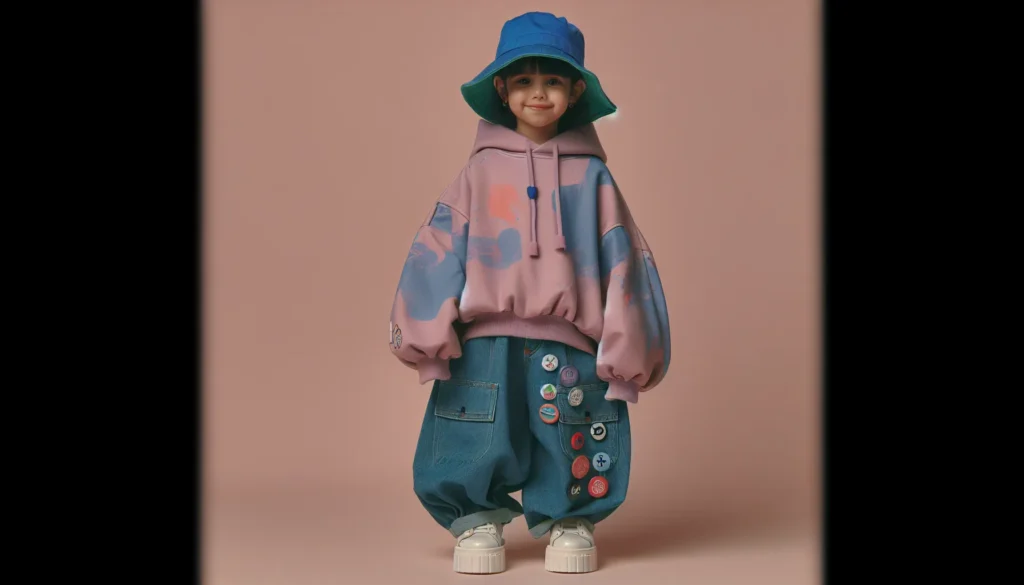
When it comes to fashion, kids have a flair for style that can rival even the most seasoned runway models. Who knew that tiny humans could pull off a tutu with the same confidence as a supermodel strutting down the catwalk? Enter the world of kids’ fashion designers, where creativity knows no bounds and every outfit tells a story.
Overview of Fashion Designer for Kids
Fashion designers for kids focus on creating unique styles that reflect children’s personalities. Their designs often combine playful colors and innovative patterns that appeal to both children and parents. These designers embrace creativity, allowing the outfits to tell stories or express themes relevant to childhood.
Various aspects influence children’s fashion, including comfort, functionality, and trends. Styles differ from casual wear to formal attire, showcasing a broad range of choices. Each piece aims to inspire confidence and self-expression in young wearers.
Notably, a surge in demand exists for eco-friendly and sustainable materials in children’s clothing. Parents increasingly prioritize responsible fashion choices, encouraging designers to explore organic fabrics and ethical production methods. Many consumers now look for brands that reinforce these values.
Inspiration for children’s fashion comes from numerous sources, including cartoons, nature, and pop culture. Collaborations between designers and artists create exciting collections that resonate with kids. Additionally, seasonal trends frequently dictate new arrivals, ensuring that children’s wardrobes remain fresh and stylish.
Emerging designers also contribute significantly to the industry by bringing innovative ideas and diverse perspectives. They often specialize in niche markets, focusing on specific age groups or styles. This diversity enriches the overall landscape of children’s fashion.
Ultimately, the world of kids’ fashion continues evolving, driven by creativity and a commitment to both fun and style. As designers passionately craft each collection, they shape not just clothing, but also how children view themselves in the world.
Importance of Kids’ Fashion

Kids’ fashion holds significant importance, influencing both style and identity for young individuals. It reflects their personalities and allows them to communicate creatively through clothing.
Trends in Children’s Clothing
Current trends in children’s clothing showcase vibrant colors, playful patterns, and comfortable fabrics. Designers often draw inspiration from popular culture, integrating elements from cartoons into their collections. Seasonal styles, such as summer florals and winter layers, ensure children stay trendy year-round. Many brands now feature gender-neutral options, encouraging a more inclusive approach. Parents often prefer eco-friendly materials, leading to a rise in sustainable choices among well-known labels and emerging designers. Collaborations between brands and artists help create unique designs, capturing children’s imagination and appealing to their sense of adventure.
Impact on Self-Expression
Fashion plays a crucial role in how children express themselves. Outfits allow them to showcase their interests and preferences, from superheroes to whimsical themes. Choosing their clothing fosters a sense of autonomy and promotes confidence. Many children find joy in mixing and matching pieces, cultivating their unique style. Creative expression through fashion can also ease social interactions, helping children feel more connected to their peers. The right outfit can enhance a child’s self-image, reinforcing their individuality in diverse environments.
Key Features of Successful Kids’ Fashion Designers
Successful kids’ fashion designers combine creativity with a deep understanding of children’s needs. They design clothing that resonates with children while ensuring practicality.
Creativity and Innovation
Creativity remains essential in kids’ fashion. Designers often tap into whimsical themes and imaginative concepts. Unique designs featuring bold colors and playful motifs captivate young audiences. Innovation drives collections that reflect the latest trends while remaining functional. Designers also experiment with textures and materials, resulting in fresh and engaging outfits. Collaborations with artists inspire innovative approaches, yielding exciting and original children’s clothing. The ability to invent something new keeps the industry dynamic.
Understanding Child Preferences
Understanding child preferences significantly influences design choices. Successful designers pay attention to the interests and personalities of children. Listening to feedback from parents and kids alike ensures garments that align with style choices. Colors and patterns that children find appealing shape the overall design approach. Designers often observe current trends in media and toys intersecting personal tastes. Catering to a child’s desire for comfort enhances their willingness to wear specific outfits. Knowledge of these preferences leads to collections that genuinely resonate, fostering enthusiastic acceptance.
Popular Fashion Designers for Kids
Renowned fashion designers for kids bring creativity and style to their collections. Notable among them is Tutu Du Monde, celebrated for its enchanting tutus and whimsical outfits. Mini Rodini stands out for its eco-conscious approach, offering vibrant pieces made from sustainable materials.
Another influential designer is Stella McCartney Kids, known for its stylish yet functional clothing that aligns with environmental values. Mixing playful colors, Gap Kids delivers classic styles that resonate with both children and parents alike.
OshKosh B’Gosh focuses on durable, comfortable attire, prioritizing practicality while maintaining a fashion-forward approach. Brands like Cat & Jack provide affordable options, gaining popularity for their diverse and trendy selections.
Less mainstream but equally captivating, Bobo Choses captivates audiences with its artistic flair and unique prints. Collaborations with artists inspire brands like Sarah Jessica Parker’s SJP Kids, merging high fashion with child-friendly designs.
Artists, celebrities, and industry veterans influence the evolution of children’s fashion. They often draw inspiration from pop culture, nature, and imaginative storytelling. Each designer contributes to a thriving industry that reflects kids’ personalities, ensuring fashion remains an exciting form of self-expression.
The ongoing shifts towards inclusivity and sustainability shape many collections. In addition, the emphasis on comfort and fun remains central to these designers’ philosophies. These dynamics enhance the shopping experience for families, making kids’ fashion a vibrant and dynamic sector.
Conclusion
The world of kids’ fashion is a vibrant landscape where creativity meets practicality. Designers are not just creating clothing; they’re crafting experiences that empower children to express themselves confidently. By focusing on unique styles and sustainable practices, these designers are shaping a future where fashion is both fun and responsible.
As trends evolve, the emphasis on inclusivity and comfort continues to resonate with young audiences and their families. With a diverse range of brands offering imaginative designs, children can explore their identities through fashion in exciting ways. This dynamic sector not only influences how kids dress but also plays a crucial role in their development and self-expression.