
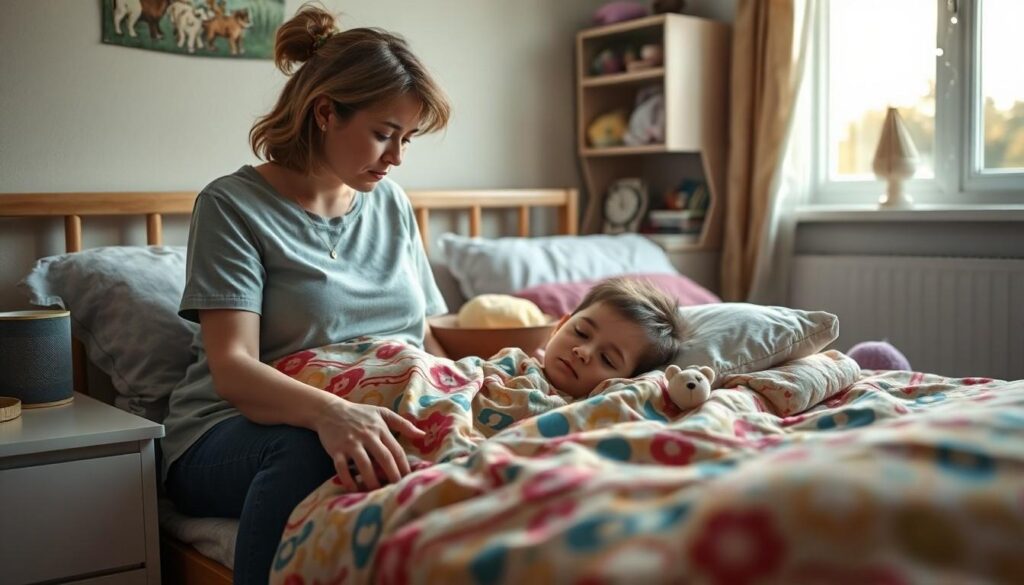
Imagine a world where bedtime stories are met with yawns instead of battles. Unfortunately, for some kids, sleep isn’t all sweet dreams and fairy tales. Kids sleep apnea sneaks in like a mischievous gremlin, turning peaceful slumber into a nightly wrestling match. It’s more than just snoring; it can leave little ones feeling cranky and foggy during the day, which is not the ideal recipe for acing those spelling tests or impressing the teacher with their latest dinosaur facts.
Parents often overlook the signs, thinking it’s just a phase or a case of “too much sugar.” But understanding the implications of sleep apnea can make a world of difference. With the right information, parents can take action and help their children reclaim their sleep—and their sanity. So, let’s dive into the world of kids sleep apnea and uncover the secrets to restful nights and energetic days.
Overview of Kids Sleep Apnea
Kids sleep apnea is a serious condition that disrupts restful sleep in children. Characterized by pauses in breathing during sleep, this disorder can affect their overall health and daily functioning. Parents should recognize that sleep apnea often extends beyond simple snoring; it typically involves deeper, more concerning respiratory issues.
Studies indicate that between 1% and 5% of children experience sleep apnea, with cases predominantly linked to enlarged tonsils and adenoids. Symptoms vary, but common indicators include loud snoring, daytime drowsiness, and difficulty concentrating in school. Behavioral issues such as irritability and mood changes often accompany these symptoms, potentially leading to social challenges.
Diagnosis generally occurs through a sleep study, where specialized equipment monitors breathing patterns overnight. Treatment options depend on the underlying cause. Some children benefit from lifestyle changes, while others may require medical interventions like Continuous Positive Airway Pressure (CPAP) therapy or surgical procedures to remove obstructive tissues.
Early intervention is crucial for children with sleep apnea. Addressing the condition can enhance sleep quality, improve mood, and support learning. Parental awareness and proactive measures play a significant role in managing this condition effectively.
Raising awareness about this health issue can lead to better outcomes for affected children. Understanding the complexities of sleep apnea empowers parents to seek appropriate treatment and support their child’s health journey.
Causes of Kids Sleep Apnea
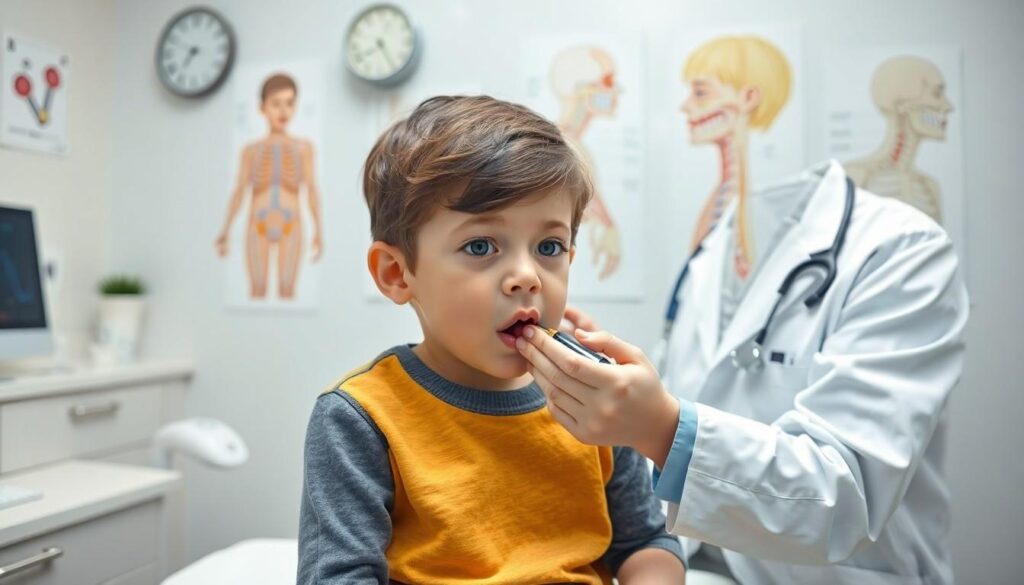
Kids sleep apnea arises from a variety of factors that can disrupt breathing during sleep. Understanding these causes helps in identifying and addressing the condition effectively.
Anatomical Factors
Anatomical factors significantly contribute to sleep apnea in children. Enlarged tonsils and adenoids obstruct the airway, causing breathing pauses during the night. Structural abnormalities in the jaw or facial features can further lead to airway constriction. Some studies indicate that children with obesity face a higher risk due to excess tissue around the neck area, which can compress the airway. Genetic predispositions may also play a role, as sleep apnea often runs in families. Awareness of these anatomical issues fosters early diagnosis and intervention.
Environmental Influences
Environmental influences impact the prevalence of sleep apnea in kids. Allergens in the home, such as dust mites or pet dander, can cause inflammation and nasal blockage, making breathing difficult. Exposure to tobacco smoke has also been linked to higher rates of sleep-disordered breathing. Additionally, sleep position affects airway stability; children who sleep on their backs may be more prone to apnea compared to those in alternate positions. Lifestyle factors, such as sedentary behavior, can contribute to obesity, aggravating the condition. Recognizing these influences aids in creating a healthier sleep environment for children.
Symptoms and Diagnosis
Recognizing symptoms of sleep apnea in children is crucial for timely intervention. Parents often notice various signs indicating potential sleep disruptions.
Common Symptoms
Common symptoms include loud snoring, pauses in breathing, and gasping sounds during sleep. Daytime drowsiness often results from disrupted sleep cycles. Behavioral issues can manifest as irritability or difficulty concentrating at school. Sleepiness during waking hours frequently raises concern. Additional signs may include mouth breathing or restless sleep patterns. Children may also experience night sweats or frequent bedwetting, which can further indicate an underlying problem.
Diagnostic Procedures
Diagnosing sleep apnea involves a comprehensive evaluation. Medical professionals may start with a detailed medical history and physical examination. Sleep studies, specifically polysomnography, often provide crucial insights into sleep patterns. These studies monitor breathing, heart rate, and oxygen levels during sleep. Home sleep tests are alternative options for less severe cases. An overnight sleep study in a clinical setting typically offers the most accurate diagnosis. After diagnosing, healthcare providers discuss appropriate treatment plans tailored to the child’s needs.
Treatment Options
Managing kids’ sleep apnea involves both lifestyle changes and medical interventions tailored to each child’s needs.
Lifestyle Changes
Adjusting daily habits can significantly enhance sleep quality. Parents can encourage a healthy diet, emphasizing fruits and vegetables, to maintain a healthy weight. Regular physical activity also plays a role in promoting better sleep patterns. Establishing a calming bedtime routine helps kids relax and prepare for sleep. Reducing exposure to allergens, like dust or smoke, can decrease airway inflammation. Adjusting sleep position may help some children breathe better during the night. Overall, implementing several lifestyle changes can provide immediate improvements in sleep quality.
Medical Interventions
In cases where lifestyle changes don’t suffice, medical interventions may be necessary. Continuous Positive Airway Pressure (CPAP) therapy serves as a common treatment, ensuring open airways during sleep. Surgical options, such as tonsillectomy or adenoidectomy, often resolve anatomical blockages in children with enlarged tonsils or adenoids. Prescription medications may also help manage symptoms in specific cases. Every child’s response to treatment varies, and ongoing evaluations enable healthcare providers to customize plans, ensuring comprehensive care. Accessing appropriate medical interventions paves the way for healthier sleep and daytime functioning.
Importance of Early Detection
Early detection of kids’ sleep apnea plays a vital role in improving overall health. Identifying the condition promptly can prevent complications such as learning difficulties and behavioral issues. Symptoms often manifest as loud snoring, pauses in breathing, and daytime drowsiness. Recognizing these early signs allows parents to seek help before they escalate.
Research indicates that 1% to 5% of children experience sleep apnea, often linked to anatomical issues like enlarged tonsils. Understanding these relationships helps parents connect symptoms to potential underlying causes. When doctors diagnose the condition swiftly, they can recommend appropriate interventions more effectively.
A detailed medical history and physical examination are critical in diagnosing sleep apnea. Completing a sleep study provides the most accurate assessment of a child’s breathing patterns during the night. Timely evaluations lead to tailored treatment strategies, enhancing the child’s sleep quality and daily functioning.
Treatment plans often include both lifestyle modifications and medical interventions. Encouraging a healthy diet and regular exercise can significantly contribute to improved sleep patterns. Making these changes early empowers parents to proactively address their child’s health needs.
Healthcare providers emphasize the necessity of parental awareness in this process. Staying informed about signs and symptoms ensures timely intervention. Engaging with professionals directly leads to better outcomes and supports the child’s overall well-being.
Conclusion
Addressing kids’ sleep apnea is crucial for their overall health and well-being. Recognizing the signs early can help parents take proactive steps towards effective treatment. Improved sleep quality not only enhances mood and behavior but also supports better learning and social interactions.
By staying informed and engaged with healthcare providers, parents can navigate the complexities of sleep apnea and ensure their children receive the necessary care. Creating a healthy sleep environment and considering lifestyle adjustments can significantly impact a child’s quality of life. Prioritizing sleep health is an investment in a child’s future, fostering happier and more focused individuals.