

Getting a good night’s sleep can feel like chasing a unicorn for those with ADHD. Between racing thoughts and restless legs, the struggle is real. But fear not! There are ways to tame the sleep beast and turn bedtime into a peaceful retreat instead of a chaotic circus.
ADHD Sleep Tips
ADHD significantly affects sleep quality for many individuals. Various factors contribute to this connection, making sleep management crucial.
The Connection Between ADHD and Sleep Disorders
ADHD often coexists with sleep disorders such as insomnia and sleep apnea. Studies show that nearly 50% of individuals with ADHD experience sleep disturbances. They may struggle with the ability to fall asleep or stay asleep due to hyperactivity and impulsivity. Neurotransmitter imbalances can cause these challenges. It’s important to understand that addressing sleep issues may also improve ADHD symptoms.
Common Sleep Challenges for Individuals with ADHD
Individuals with ADHD face numerous sleep challenges. Racing thoughts frequently prevent them from relaxing. Many also deal with restless legs, which can interrupt sleep cycles. Difficulty in establishing bedtime routines further exacerbates these issues. Sensitivity to light and noise may make sleep even harder to achieve. These factors can contribute to daytime fatigue and decreased focus. Identifying these challenges can lead to more effective sleep strategies.
ADHD Sleep Tips for Better Rest
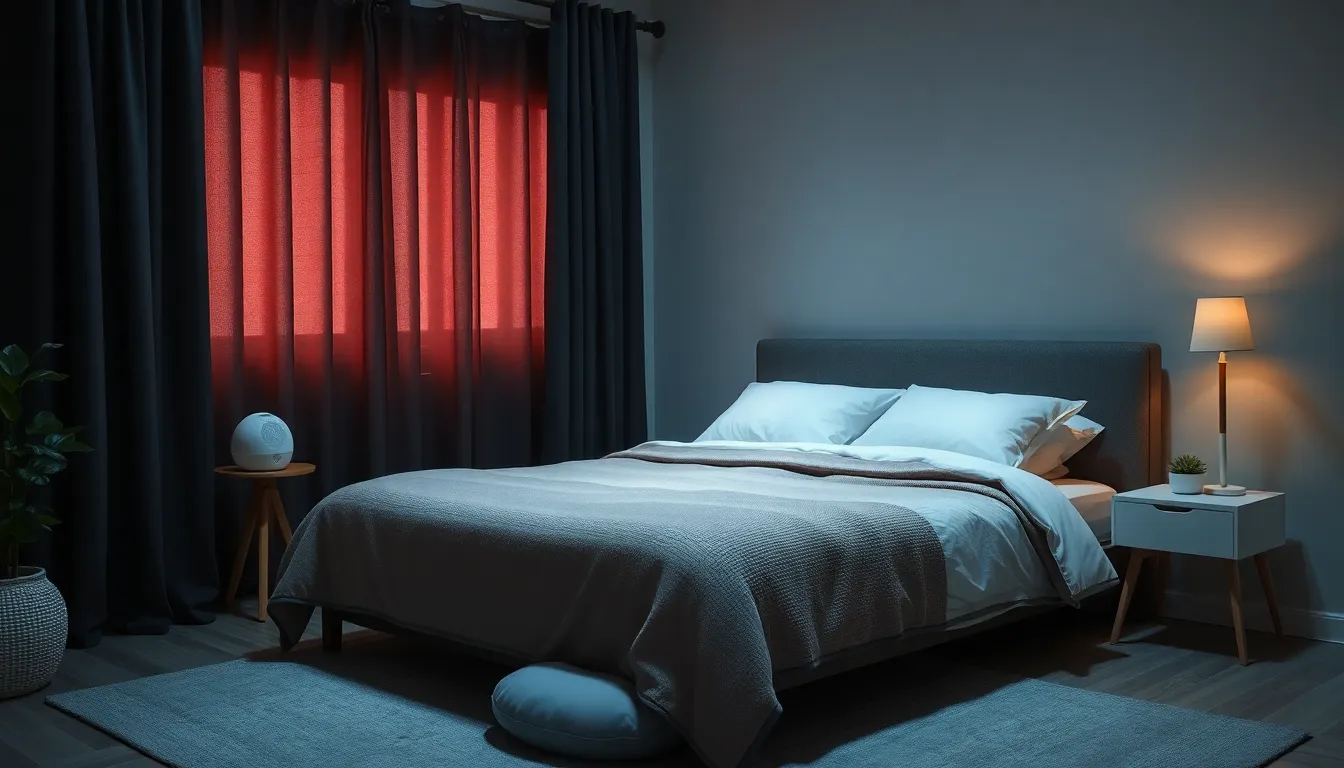
Improving sleep quality is crucial for individuals with ADHD. Implementing specific strategies can promote better rest and enhance overall well-being.
Establishing a Consistent Sleep Schedule
Maintaining a consistent sleep schedule is essential. Going to bed and waking up at the same time each day regulates the body’s internal clock. Consistency reduces anxiety around bedtime, making it easier to relax. Following a nightly routine, such as reading or meditating, signals readiness for sleep. Avoiding caffeine and electronics before bedtime also fosters better sleep hygiene.
Creating a Sleep-Friendly Environment
Creating a sleep-friendly environment enhances rest. Keeping the bedroom dark, quiet, and cool makes it easier to fall asleep. Using blackout curtains or a white noise machine can minimize distractions from light and sound. Comfortable bedding and supportive pillows are also key components of a restful space. Removing electronic devices from the bedroom designates a tech-free zone that encourages relaxation.
Relaxation Techniques for Better Sleep
Implementing relaxation techniques can significantly enhance sleep quality for individuals with ADHD. These methods create a calming atmosphere, making bedtime a more serene experience.
Mindfulness and Meditation Practices
Mindfulness techniques focus attention on the present, reducing distractions. Practicing meditation for even 10 minutes daily can lead to decreased racing thoughts and anxiety. Guided meditations tailored for sleep are beneficial, as they help quiet the mind. Using apps or online resources provides structured support. Creating a peaceful pre-sleep ritual, like listening to soothing sounds or focusing on breath, enhances the overall effectiveness of meditation practices.
Breathing Exercises to Promote Calmness
Breathing exercises serve as powerful tools to induce relaxation. Engaging in deep breathing promotes heart rate regulation and calms the nervous system. The 4-7-8 technique involves inhaling for four seconds, holding for seven seconds, and exhaling for eight seconds. Regular implementation helps reduce nighttime anxiety and prepares the body for rest. Establishing this practice as part of a nightly routine encourages a consistent pathway to sleep, fostering deeper and more restorative rest.
Lifestyle Changes to Improve Sleep Quality
Making lifestyle changes can significantly enhance sleep quality for individuals with ADHD. Certain adjustments in daily routines and habits play an essential role.
Diet and Nutrition Considerations
Balanced diets contribute to better sleep. Incorporating whole grains, fruits, vegetables, and lean proteins supports overall health and helps regulate neurotransmitters. Avoiding caffeine, particularly in the afternoon, reduces sleep disturbances. Sugary snacks close to bedtime may also hinder quality sleep. Staying hydrated throughout the day ensures optimal body function, but limiting fluid intake before bed prevents nighttime awakenings.
Importance of Regular Physical Activity
Regular physical activity promotes restorative sleep. Engaging in aerobic exercises, such as walking or swimming, increases the time spent in deep sleep. Morning workouts enhance sleep quality more effectively than evening sessions. Incorporating strength training at least twice a week further supports overall physical and mental well-being. Relaxing activities like yoga can also decrease anxiety, preparing the mind for restful sleep. Finding enjoyable activities ensures consistency in maintaining an active lifestyle.
Conclusion
Improving sleep quality for individuals with ADHD is achievable through a combination of effective strategies and lifestyle adjustments. Establishing a consistent sleep schedule and creating a calming bedtime routine can significantly enhance the ability to unwind. A sleep-friendly environment and relaxation techniques like mindfulness and breathing exercises play vital roles in promoting restful nights.
Incorporating balanced nutrition and regular physical activity further supports overall well-being and sleep health. By prioritizing these practices, individuals with ADHD can transform their sleep experience, leading to better focus and energy during the day. With patience and persistence, a peaceful night’s sleep is within reach.